A little over 20 years ago I was a carefree young woman planning my wedding…we had thought about October, and then for some reason decided to do it the following February instead. On October 31st, 1992, I came home after shopping all day for wedding things with my mom (no cell phones on us back then) to my poor, scared 13 year old brother saying “dad is in the hospital, there is something wrong with his heart”. My mom was beside herself and I drove them to the hospital where we were escorted to the Cardiac Care Unit. We were informed that my 47 year old father had suffered a heart attack. The next several days are a blur. They transferred him by ambulance to a hospital in Wichita. He ended up having a triple bypass surgery a couple days later. It was so scary to walk into that recovery unit and see my dad looking lifeless and hooked up to all of those tubes and moniters. The next several weeks I remember him being in a lot of pain, especially his leg where they took a vein from. He was given an exercise bike and told to ride that every day, also go walking and eat healthy. In February, when he walked me down the aisle I was overcome with emotion, thinking how blessed we were that he could do that, and that we hadn’t decided to get married in October. It is scary to think what would have happened! This picture is of my dad and me 20 years later. He keeps a close eye on the heart issues, and has had no problems since!
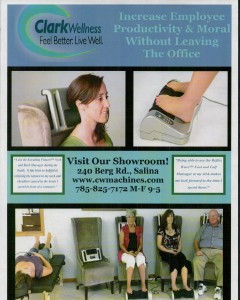
It is so important for those with a history of heart disease to keep active! The Exerciser Elite® can help with that. Whether you are healthy enough to do active exercise or if you are unable to – the continuous passive motion of the exerciser can help you! The Exerciser Elite® helps with the circulation, enhance oxygen levels, and can help ease high blood pressure. The Kneading Fingers™ by Clark also, can enhance your recovery experience. When you spend so much time laying in bed and not doing your usual routine, a massage from the Kneading Fingers™ by Clark can help ease that pain and help you relax!
There are so many benefits of using the Clark Wellness machines – I have only hit the tip of the iceberg here! I have worked for this amazing company for almost 10 years now and I have strongly encouraged my family and friends to use these wonderful products! They make you feel better, look better, and they are relaxing! It’s a win win!